POWER PLANTS
Producing More than Energy
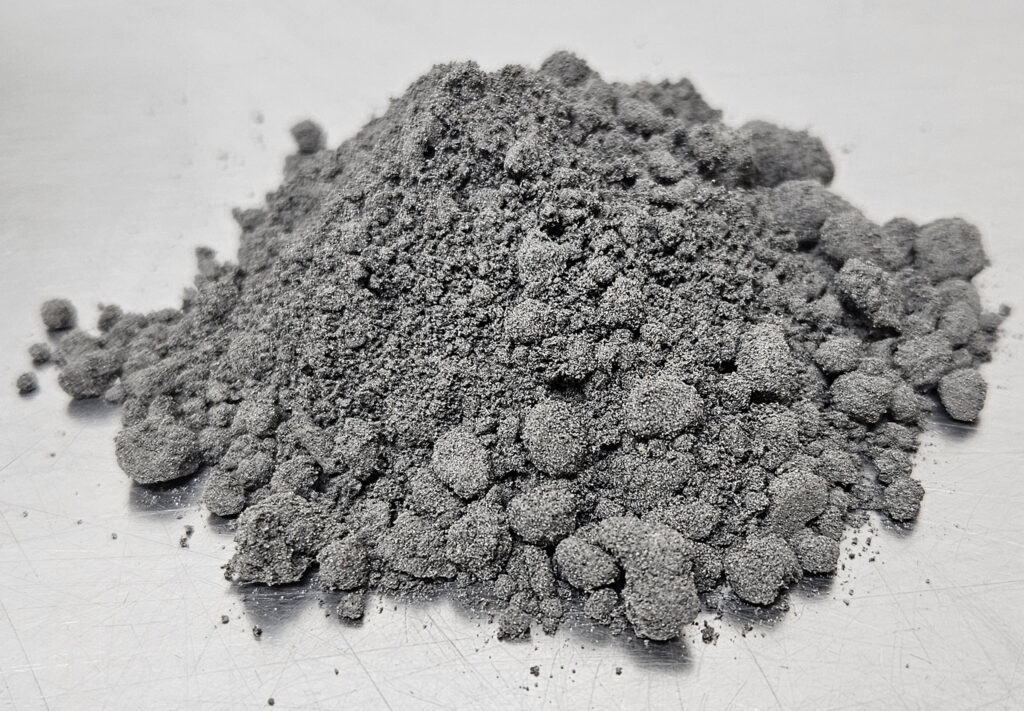
Electricity is the fuel of the “Information Age” and power plants that burn coal account for more than half of the electricity produced in the United States. These power plants also produce residual materials like fly ash (which is captured from the exhaust of the boiler) and bottom ash (which is heavier and falls to the bottom of the boiler). These and other “coal combustion products” were originally treated as waste and disposed of in landfills.
Over the past 30 years, electric utilities and specialized companies like Headwaters Resources have steadily increased the amount of coal combustion products that are recovered for productive uses. Coal combustion products become ingredients in concrete, wallboard, mortars, stuccos, blocks, bricks, shingles, paints and a variety of other building materials. They are also used to stabilize soils or wastes, and can be used as structural fill or road base materials. They’re even used by peanut farmers to improve their crop yields.
Because of efforts of environmentally conscious companies, use of coal combustion products has increased more than 50 percent in the past decade. And there are plenty of good reasons to use even more.
|
 |
BUILDING MATERIALS
Better Performance without Higher Cost
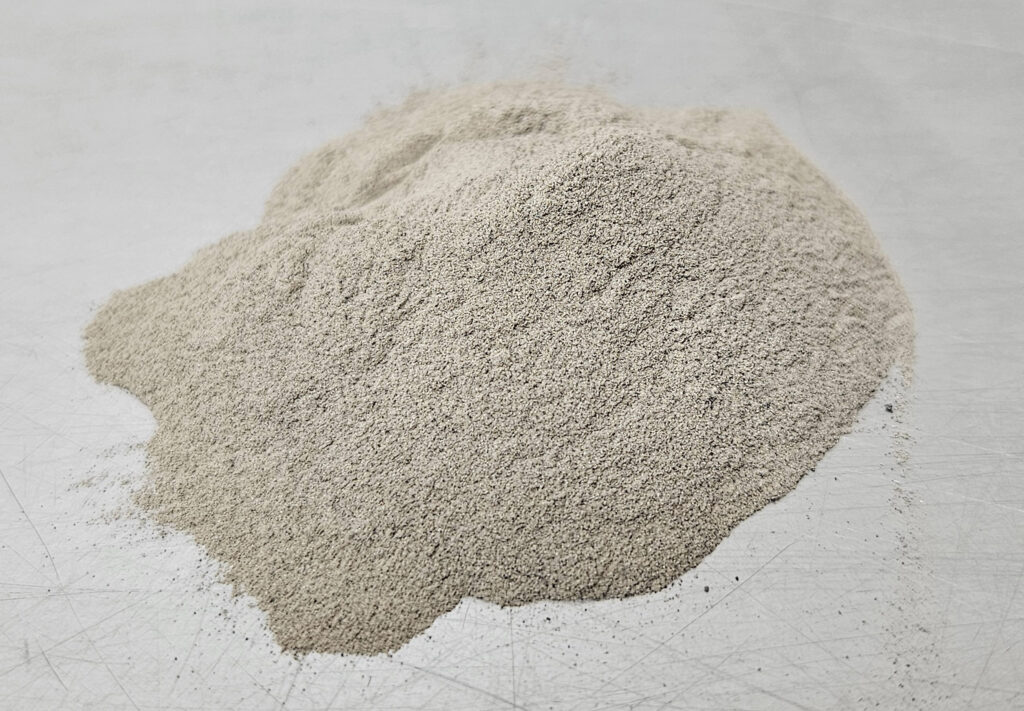
Fly ash – the most commonly used coal combustion product – is a remarkable material that cost-effectively improves the performance of products it is added to.
For instance, in making concrete, cement is mixed with water to create the “glue” that holds strong aggregates together. Fly ash works in tandem with cement in the production of concrete products. Concrete containing fly ash is easier to work with because the tiny, glassy beads create a lubricating effect that causes concrete to flow and pump better, to fill forms more completely, and to do it all using up to 10 percent less water. Because the tiny fly ash particles fill microscopic spaces in the concrete, and because less water is required, concrete using fly ash is denser and more durable. And fly ash reacts chemically with lime that is given off by cement hydration, creating more of the glue that holds concrete together. That makes concrete containing fly ash stronger over time than concrete made only with cement.
Fly ash is also a cost-effective resource. When fly ash is added to concrete, the amount of cement that is necessary can be reduced. |
 |
IMPROVING OUR ENVIRONMENT
Conserving Energy, Reducing Emissions, and more…
Because fly ash use displaces cement use, it also reduces the need for cement production – a major energy user and source of “greenhouse gas” emissions.
For every ton of cement manufactured, about 6.5 million BTUs of energy are consumed. For every ton of cement manufactured, about one ton of carbon dioxide is released. Replacing that ton of cement with fly ash would save enough electricity to power the average American home for 24 days, and reduce carbon dioxide emissions equal to two months use of an automobile.
Experts estimate that cement production contributes to about 7 percent of carbon dioxide emissions from human sources. If all the fly ash generated each year were used in producing concrete, the reduction of carbon dioxide released because of decreased cement production would be equivalent to eliminating 25 percent of the world’s vehicles.
Conserving landfill space is also an important consideration. Every ton of coal combustion products that is used to improve our nation’s highways and buildings is a ton that is not deposited in a landfill, saving the same amount of space that the average American uses over 455 days.
Concrete itself is an environmentally sound building material. Roads and structures built from concrete last longer and require less maintenance than other materials. When used in freeways, concrete can result in less vehicle fuel consumption. Because concrete reflects light, less energy is needed to illuminate the roadway. Concrete is recyclable, with 45 to 80 percent of crushed concrete usable as aggregate in new construction.
Additionally, recent studies conducted by the Environmental Council of Concrete Organizations have determined certain metropolitan areas experience higher overall temperatures than surrounding less-developed areas. Using lighter colored concrete products instead of asphalt pavement can help reduce excessive temperature, further conserving energy. |
 |
INCREASING UTILIZATION
What Can We Do?
Even though millions of tons of coal combustion products are used every year, millions more are still going to waste. Many people can have a hand in encouraging greater utilization of this important resource.
Architects and engineers designing projects for public works and private developments can specify that building materials incorporate the use of fly ash. Headwaters Resources offers extensive technical assistance to professionals interested in developing concrete mix designs that maximize performance.
Government policy makers can encourage greater use of coal combustion products through regulations and incentives. For example, the California Department of Transportation requires that mineral admixtures like fly ash comprise at least 25 percent of the cementitious material in any concrete used in state-funded paving projects. The State of Montana provides tax incentives for companies who install equipment to begin utilizing material like fly ash. Numerous other states and government entities are now considering measures to boost coal combustion use.
By requiring fly ash in concrete and other products, architects, engineers and regulators express a commitment to promote sustainable growth and exercise responsible building practices. Using fly ash is an exceptional way to “Build Green,” without compromising cost or quality in concrete production. |