Headwaters Resources
Headwaters Resources America’s largest manager and marketer of coal combustion products coal combustion products
Improving performance of concrete products while benefiting the environment through stewardship of an abundant industrial resource coal combustion products
fly ash for concrete
other ccp utilization
ccp quality
utility and industrial services
fly ash and the environment
resource library
contact us
home
headwaters incorporated
 
micro cellsEnhancing Concrete Workability

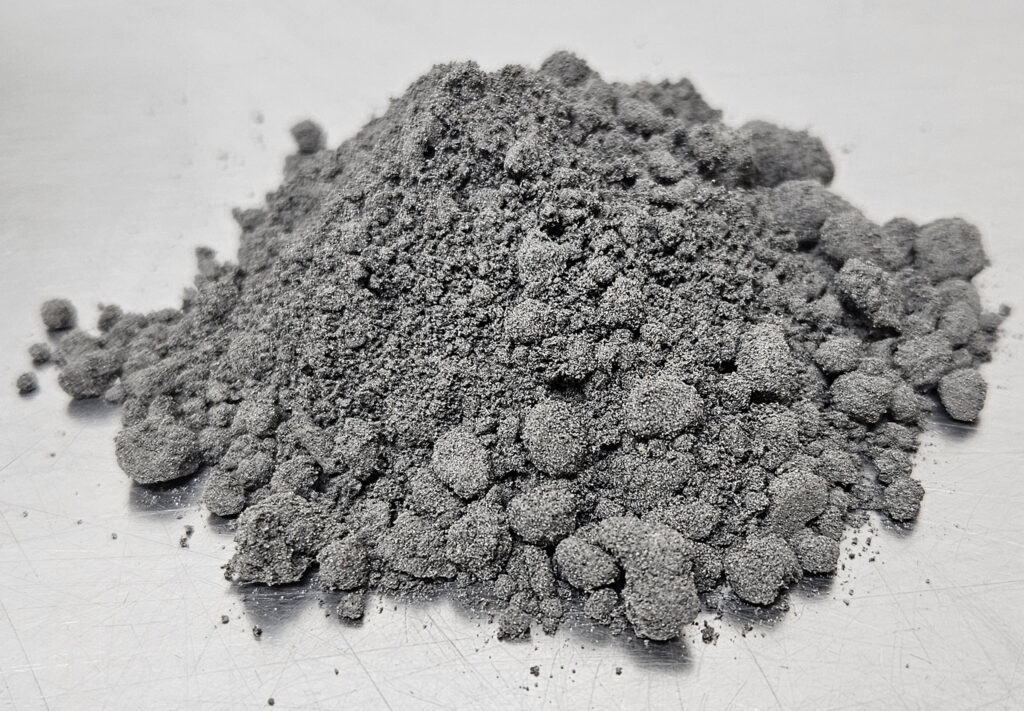
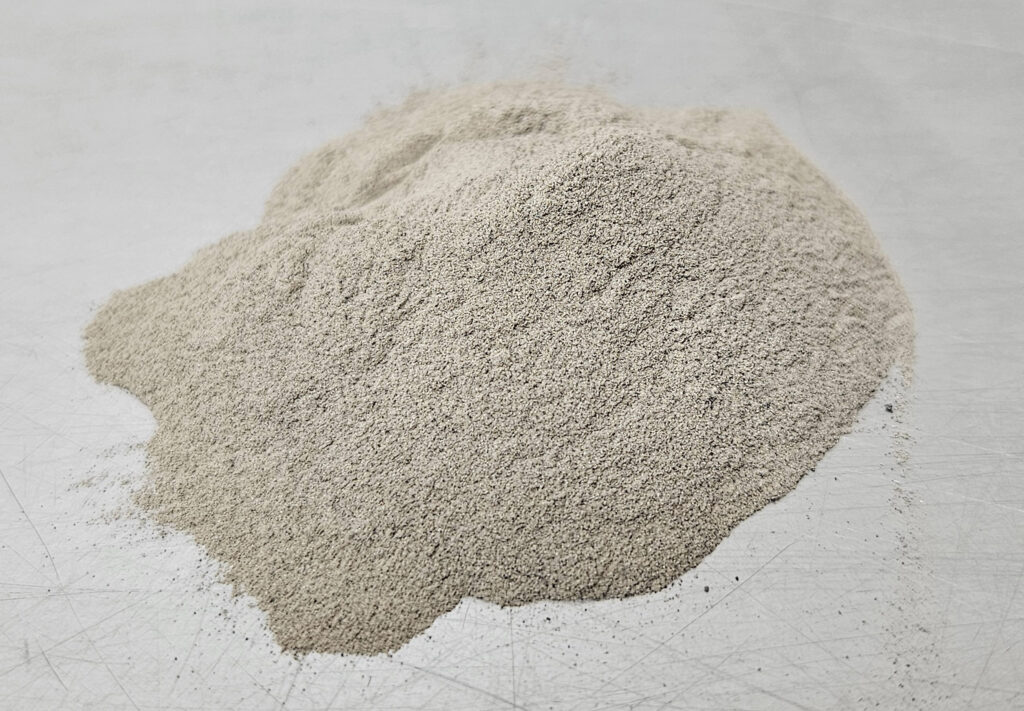
The difference between fly ash and portland cement is apparent under a microscope. Fly ash particles are smaller and almost totally spherical in shape, allowing them to fill voids, flow easily, and blend freely in mixtures.

Additionally, when water is added to portland cement, it creates two products: a durable binder that glues concrete aggregates together and free lime. Fly ash reacts with this free lime to create more of the desirable binder.

The “ball-bearing” effect of fly ash particles creates a lubricating action when concrete is in its plastic state. This creates benefits in:
   
Workability. Concrete is easier to place with less effort, responding better to vibration to fill forms more completely.
Ease of Pumping. Pumping requires less energy and longer pumping distances are possible.
Improved Finishing. Sharp, clear architectural definition is easier to achieve, with less worry about in-place integrity.
Reduced Bleeding. Fewer bleed channels decrease permeability and chemical attack. Bleed streaking is reduced for architectural finishes.
Reduced Segregation. Improved cohesiveness of fly ash concrete reduces segregation that can lead to rock pockets and blemishes.
 
compressive strength chart
 

Increasing Concrete Performance
In its hardened state, fly ash creates additional benefits for concrete, including:

   
Higher Strength. Fly ash continues to combine with free lime, increasing compressive strength over time.
Decreased Permeability. Increased density and long term pozzolanic action of fly ash, which ties up free lime, results in fewer bleed channels and decreases permeability.
Increased Durability. Dense fly ash concrete helps keep aggressive compounds on the surface, where destructive action is lessened. Fly ash concrete is also more resistant to attack by sulfate, mild acid, soft (lime hungry) water, and seawater.
Reduced Sulfate Attack. Fly ash ties up free lime that can combine with sulfates to create destructive expansion.
Reduced Efflorescence. Fly ash chemically binds free lime and salts that can create efflorescence, and dense concrete holds efflorescence producing compounds on the inside.
Reduced Shrinkage. The largest contributor to drying shrinkage is water content. The lubricating action of fly ash reduces water content and drying shrinkage.
Reduced Heat of Hydration. The pozzolanic reaction between fly ash and lime generates less heat, resulting in reduced thermal cracking when fly ash is used to replace portland cement.
Reduced Alkali Silica Reactivity. Fly ash combines with alkalis from cement that might otherwise combine with silica from aggregates, causing destructive expansion.
 
Adding Value to Energy

fly ash for concrete | other ccp utilization | ccp quality | utility and industrial services | fly ash and the environment | resource library | contact us | home | headwaters incorporated

Site created and maintained by K2 Interactive
Copyright © 2005, Headwaters, Inc.
Comments: webmaster@hdwtrs.com